
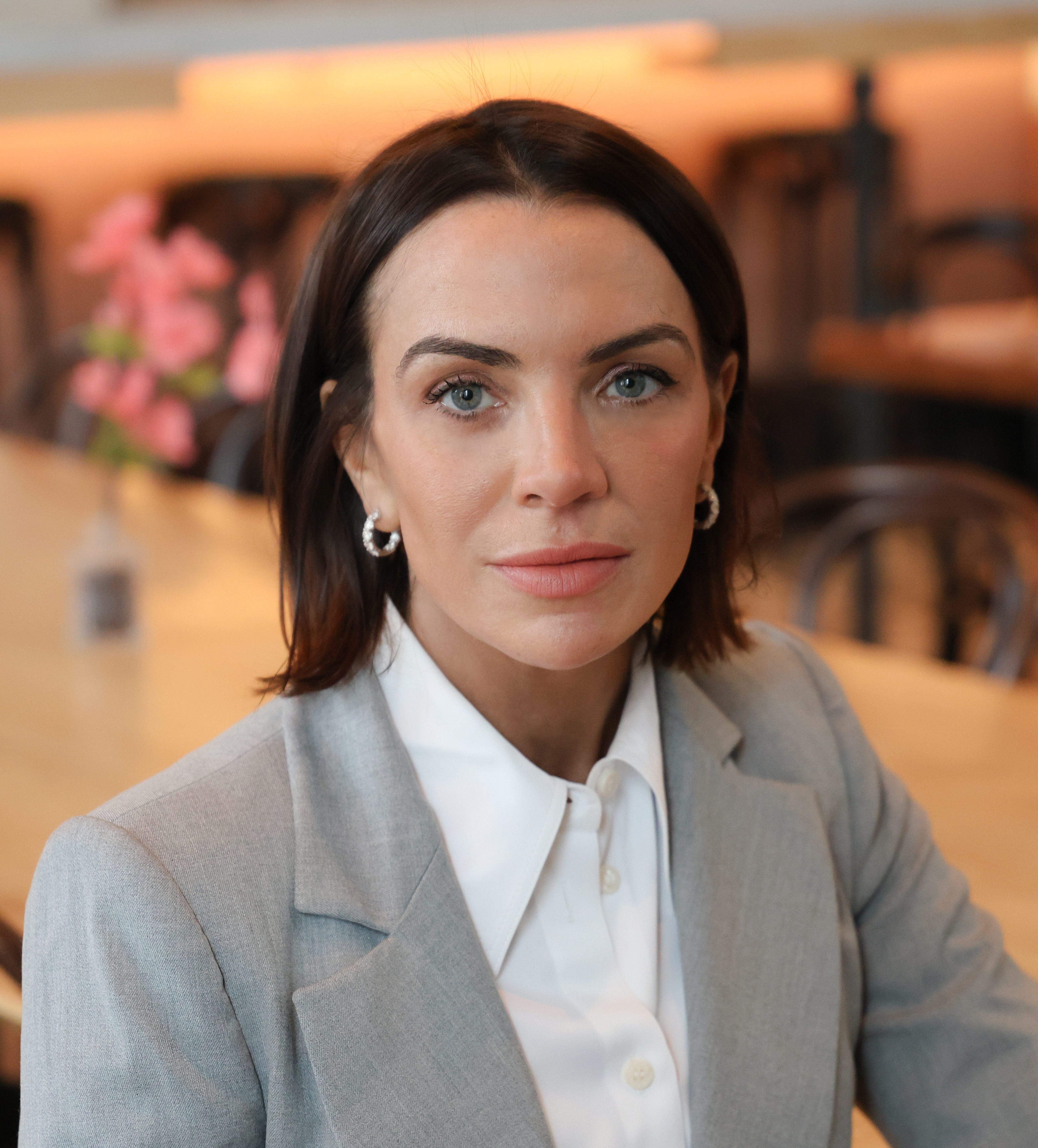
Elizabeth Musselman
Elizabeth Musselman built a successful career in finance and technology before meeting her husband, a retired U.S. Army veteran. She was immediately drawn to his stories of service. Together, they built a civilian life that felt, by most measures, ordinary.
During those years, Elizabeth attended law school and earned her J.D. while raising two children. But beneath the surface of that ordinary life, her role as a caregiver was quietly taking shape. The cumulative demands of care, alongside the arrival of their third child, eventually made it untenable to continue on her professional path. Rather than step back, Elizabeth stepped inward, developing a deep interest in mental health, shaped by her family's lived experience and by watching others in the community navigating similar struggles.
There was no single defining event for Elizabeth, no clear moment of crisis, only many symptoms working in concert to quietly erode the stability of family life. She also struggled to identify as a military caregiver, a title she associated with those who had lived through the weight of deployment, not someone like her. She felt profoundly alone.
That changed unexpectedly. Elizabeth came across a 60 Minutes rerun featuring the Elizabeth Dole Foundation and its work with military and veteran caregiver families. Watching it, she recognized her own story for the first time. It was a turning point. She no longer felt invisible. And from that moment, she committed to using her skills to make life better for families like hers.
As a Dole Caregiver Fellow, Elizabeth is bringing that mission to policy makers and military families. Her advocacy centers on a largely overlooked truth: when a veteran is struggling, the entire family system absorbs that struggle.
In her own words: "If our goal is truly to support veterans, then supporting caregivers and dependents is not optional, it is essential."